
Targeted Ectoparasite Protection
Formulated to effectively control ticks, mites, and lice in livestock herds, disrupting pest life cycles without the risk of synthetic chemical immunity. verify
Laikipia County, Kenya
Commercializing botanical livestock pest protection derived from indigenous flora—safeguarding pastoralist livelihoods across Kenya and East Africa without chemical pollution. verify
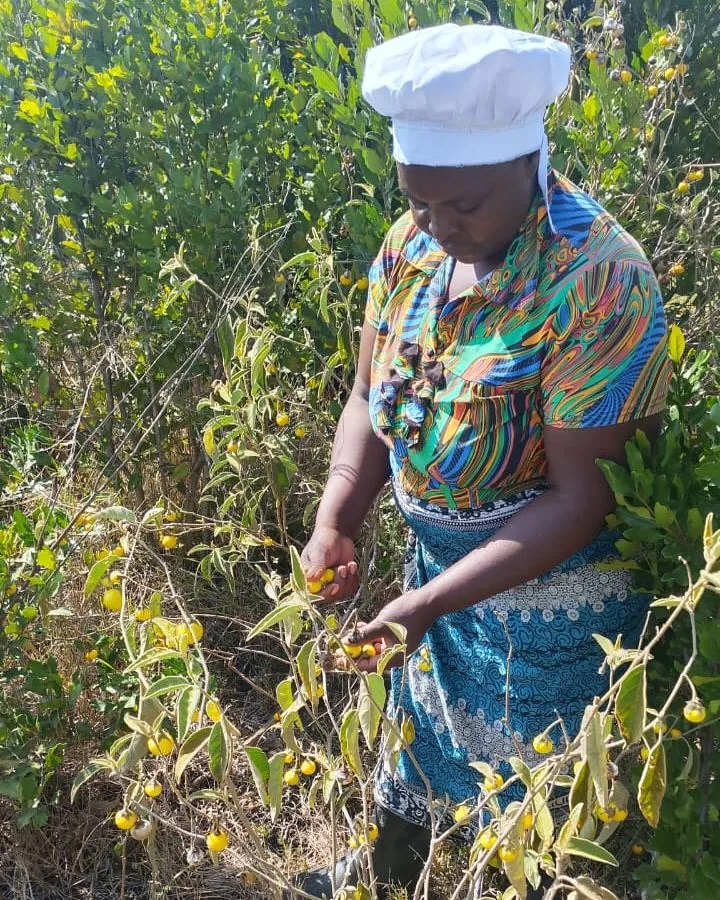
 Botanical Bio-AcaricideSee the product
The challenge
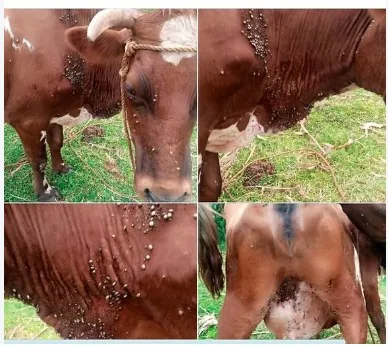
Synthetic chemical acaricides are failing livestock owners across East Africa. Years of continuous chemical dipping have led to widespread tick resistance, elevated chemical residues in meat and milk, and severe toxic contamination of local rivers and pasture ecosystems. verify and add a source
At Africa Biosocial Enterprise Limited (ABSE), we bridge traditional ethnobotanical knowledge with modern agriscience to deliver effective, nature-based pest control that protects cattle, goats, and sheep while preserving our shared water resources and biodiversity.
The ABSE approach
Formulated to effectively control ticks, mites, and lice in livestock herds, disrupting pest life cycles without the risk of synthetic chemical immunity. verify
Designed to prevent toxic runoff into local streams and groundwater, making it an ideal nature-based solution for environmentally sensitive watersheds. verify
Sourced and produced locally in Laikipia County, bringing accessible, high-performance bio-acaricides directly to smallholders and pastoral communities. verify
How it is used
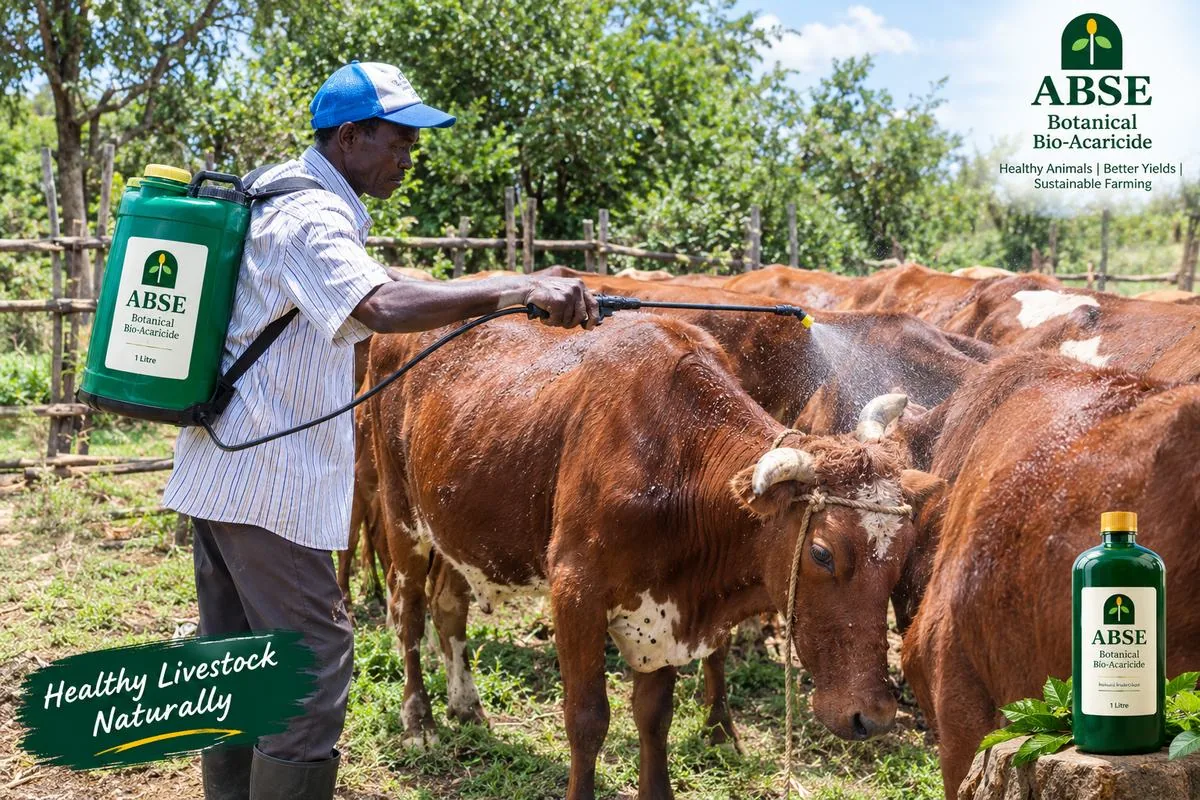
Spray is one of the application methods in the approved product details. Steps below are a draft from the supplied guide.
Mix 50 ml of ABSE per 100 litres of clean water.
Pour the mixture into a knapsack or hand sprayer.
Cover head, neck, back, sides and under the belly.
Reapply after 14 days.
What farmers want to see
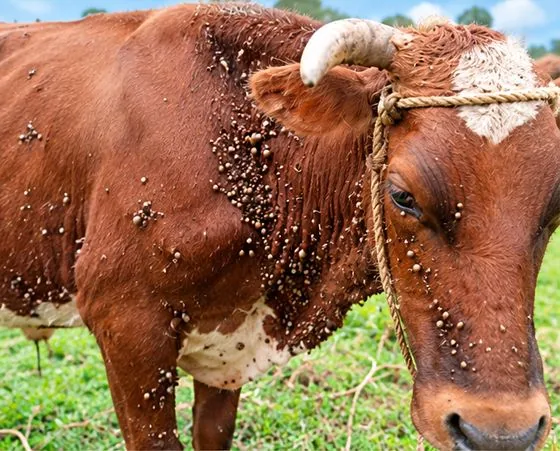
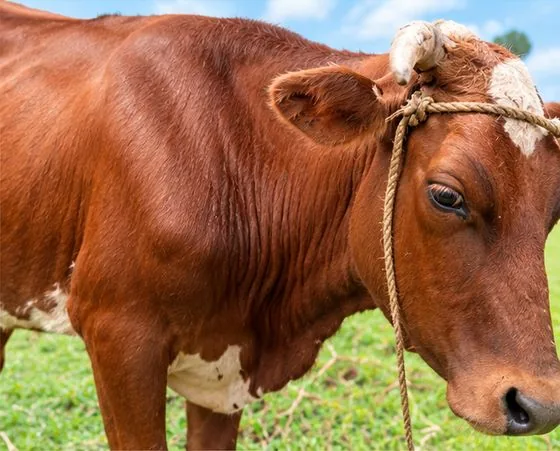
Concept illustration only, not a documented product result. replace with real trial photos before publishing
Made for smallholders
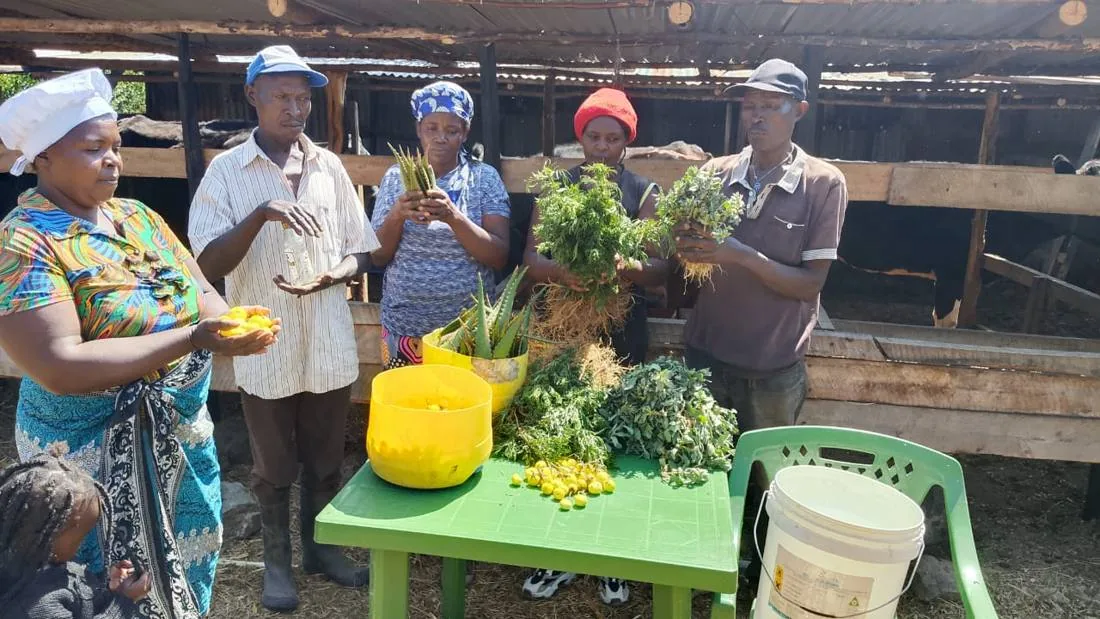
Sourced and produced in Laikipia County for smallholders and pastoral communities.
Picture guides for smallholders and larger herds are planned.
Training local communities and creating eco-friendly agricultural jobs. verify
Reducing herd mortality and protecting valuable livestock assets to improve family incomes and community resilience. verify
Eliminating hazardous chemical dip runoff, protecting clean water supplies for downstream communities and wildlife. verify
Creating sustainable agricultural employment and fair-trade sourcing networks for indigenous botanical raw materials. verify
Work with ABSE
We collaborate with impact investors, conservation foundations, agricultural research institutions, and community networks to expand our production capacity and reach pastoral communities across East Africa.